BC Landlord’s Rights to Enter a Rented Property
By Partha Ladkat
2025-06-13
Share:
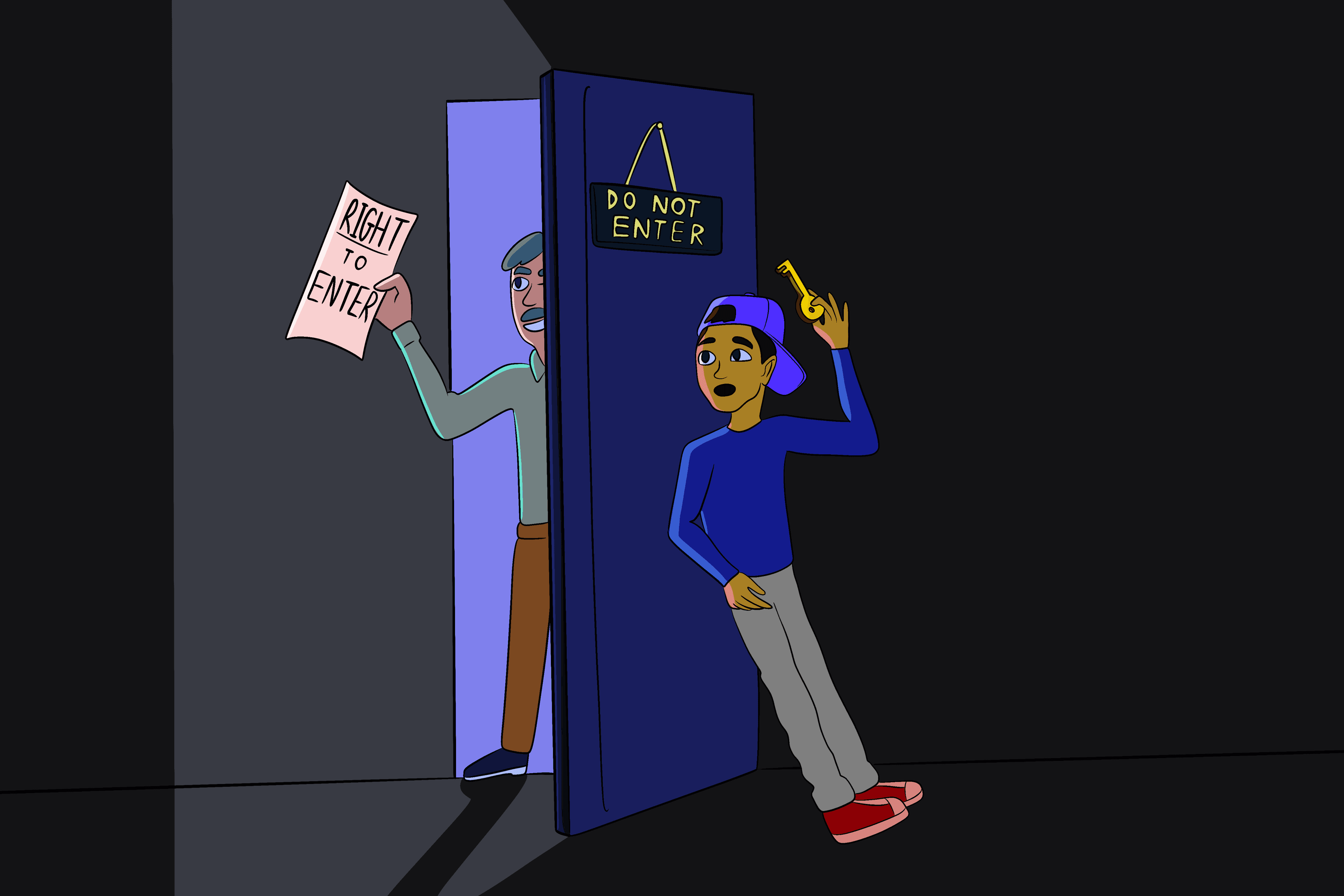
As a landlord in British Columbia, it’s essential to understand the legal framework governing your rights to access a tenant’s property. Both landlords and tenants have specific rights and responsibilities outlined in the Residential Tenancy Act (RTA) of BC. Adhering to these laws helps foster trust and maintain a professional relationship while avoiding potential disputes.
When Can a Landlord Enter a Tenant’s Property?
Under the Residential Tenancy Act, landlords can enter a tenant’s rental unit, but only under specific circumstances:
Emergency Situations: Emergencies allow landlords to enter a rental unit without prior notice to address urgent issues that threaten the safety of occupants or the property. Examples include fires, floods, gas leaks, or burst pipes. According to BC Housing, responding promptly to emergencies not only minimizes damage but also helps protect the well-being of tenants. In fact, 98% of tenants surveyed in 2022 appreciated swift responses during emergencies (BC Housing Annual Report 2022).
With Tenant’s Consent: If a tenant gives explicit consent, a landlord may enter the unit without prior written notice. This consent can be verbal or written, though having it in writing is always a safer option to prevent misunderstandings. A study by the Residential Tenancy Branch revealed that 78% of disputes regarding property entry stemmed from unclear verbal agreements (Residential Tenancy Branch Dispute Resolution Statistics).
Written Notice for Entry: In non-emergency situations, landlords are required to provide tenants with written notice at least 24 hours in advance. This ensures tenants have adequate time to prepare. The notice must include: The date and time of entry (which must fall between 8:00 a.m. and 9:00 p.m), and a clear purpose for the entry, such as repairs, maintenance, or inspections. Interestingly, research from BC Housing indicates that tenants are 40% more likely to cooperate with landlords who provide detailed, transparent notices (BC Housing Maintenance Study 2023).
Routine Inspections: Routine inspections are vital for ensuring the property is well-maintained and identifying potential issues early. Landlords must provide proper written notice for these inspections. For example, inspecting for water damage or ensuring smoke detectors are functioning properly can save landlords significant costs in the long run. A report from BC Housing highlights that preventative maintenance reduces repair costs by up to 25% annually (BC Housing Preventative Maintenance Guide).
Repairs and Maintenance: Necessary repairs or maintenance tasks, such as fixing a broken appliance or addressing a plumbing issue, require landlords to provide 24-hour written notice. Properly maintaining a rental property not only protects the landlord’s investment but also contributes to tenant satisfaction. According to a 2023 BC Tenancy Survey, 85% of tenants rated their landlord’s responsiveness to maintenance requests as a key factor in their overall rental experience (Residential Tenancy Branch Survey 2023).
Showing the Unit to Prospective Tenants or Buyers: When a property is being sold or re-rented, landlords can show the unit to potential tenants or buyers. However, they must: Provide proper written notice and make reasonable efforts to coordinate with the tenant’s schedule to minimize disruptions. A statistic from BC Housing reveals that 63% of tenants appreciate flexibility in scheduling property viewings, with evenings and weekends being the most preferred times (BC Housing Tenant Insights Report 2023).
Notice Requirements
For entry that is not an emergency or consent-based, the written notice must: Be delivered directly to the tenant (left in their mailbox, or posted on their door), specify a reasonable reason for entry, and be provided at least 24 hours but no more than 30 days before the entry date. Delivering the notice in a clear and professional manner can significantly reduce misunderstandings. A survey by the Residential Tenancy Branch found that disputes over improper notice dropped by 50% when landlords followed proper communication protocols (Residential Tenancy Branch Annual Report).
Tenant Rights to Privacy
Tenants in BC have a fundamental right to privacy, which is protected under the Residential Tenancy Act. Landlords are prohibited from: Entering the property without proper notice or consent (except in emergencies), and interrupting the tenant’s quiet enjoyment of the property. Respecting a tenant’s privacy is not just a legal obligation — it’s also a key factor in fostering a positive landlord-tenant relationship. According to BC Housing, 72% of tenants said their trust in a landlord increased when their privacy was consistently respected (BC Housing Tenant Relationships Report).
Handling Disputes
If a tenant believes their landlord has entered the property without proper notice or a valid reason, they can: File a complaint with the Residential Tenancy Branch (RTB), and seek a dispute resolution process through the RTB. Similarly, landlords can contact the RTB for guidance if tenants refuse reasonable entry requests. The RTB’s dispute resolution process resolved over 80% of entry-related cases in 2022, highlighting its effectiveness in addressing conflicts (RTB Dispute Resolution Outcomes).
Best Practices for Landlords
To ensure compliance and maintain a positive landlord-tenant relationship, landlords should: Keep communication open and transparent (regular check-ins with tenants can prevent misunderstandings), provide detailed and timely written notices for entry (including specifics about the purpose and timing of entry demonstrates professionalism), document all correspondence and notices for reference (in case of disputes, having a clear record can provide crucial evidence), and respect the tenant’s schedule whenever possible (offering flexibility and showing consideration can go a long way in building trust).
Ending Notes
Understanding and respecting a tenant’s right to privacy is crucial for landlords in British Columbia. By following the rules set out in the Residential Tenancy Act and maintaining clear communication, landlords can avoid disputes and foster trust with their tenants. For more detailed information, consult the BC Government, BC Housing, or the Residential Tenancy Branch. By staying informed and compliant, landlords can navigate their responsibilities confidently while ensuring their tenants feel secure in their homes. Maintaining a positive relationship is not only good for business but also essential for creating a harmonious living environment.
Disclaimer: The information provided in this blog post is for general informational purposes only and does not constitute legal, financial, or professional advice. Landlords are encouraged to consult with a qualified legal professional or licensed property manager in their jurisdiction to ensure compliance with all applicable local laws and regulations.